
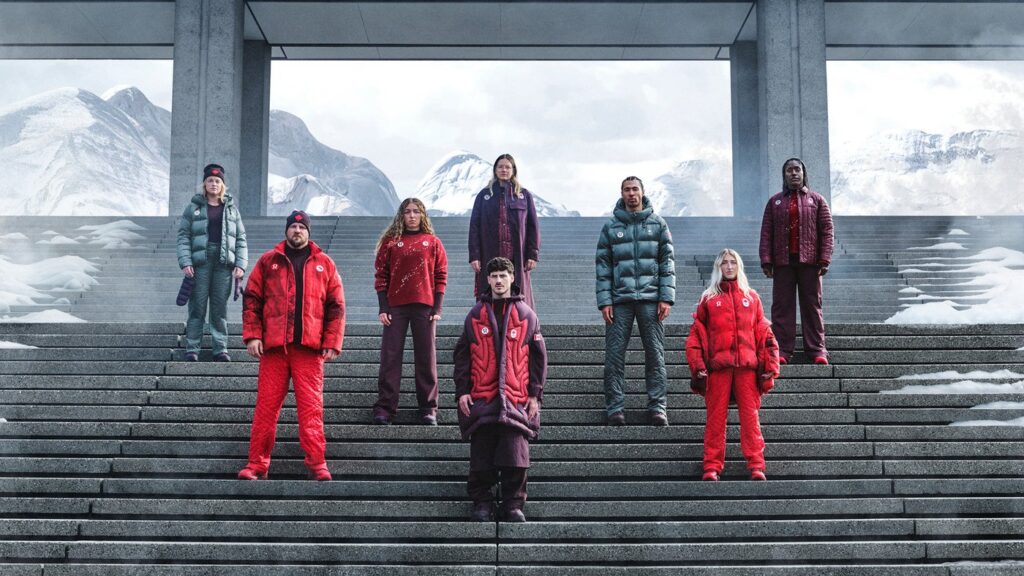
Fashion that responds to your environment—where style meets technology
Every season, fashion shoppers confront the same paradox: the desire for style versus the unpredictability of climate. A sleek coat may look perfect on the rack but becomes useless on a sudden humid day. Designers, engineers, and technologists are now converging to solve this problem with climate-adaptive clothing — a bold fusion of functionality, sustainability, and high fashion.
At its core, climate-adaptive clothing is engineered to respond to environmental conditions. Some garments use temperature-sensitive fibers that expand or contract to retain or release heat. Others incorporate moisture-reactive materials that wick sweat during high humidity or enhance insulation when cold. A jacket might open microventilations when you start moving or glow softly to signal temperature changes. Fashion is no longer static; it actively interacts with the world, creating garments that are both practical and visually captivating.
The convergence of fashion and technology represents a fundamental shift in how we think about clothing. No longer are garments passive objects; they are dynamic systems that adapt, enhance comfort, and anticipate the wearer’s needs. Climate-adaptive clothing is not only a technical innovation but also a cultural one, reflecting a society increasingly aware of climate, environment, and personal well-being.
Leading Designs and Materials
Leading designs include smart outerwear using phase-change materials — textiles that absorb or release heat depending on the surrounding temperature. On a hot day, the fabric disperses warmth to keep you cool. When night falls, it retains heat to provide warmth without adding bulk. These garments are revolutionizing how we approach seasonal dressing, allowing shoppers to navigate variable climates with elegance and efficiency.
Some designers are experimenting with bio-responsive fabrics that change texture, opacity, or color in response to sunlight, temperature, or humidity. Imagine a dress that becomes more breathable as temperatures rise, or a coat that subtly darkens in rainy weather to maintain style and visibility. This fusion of aesthetics and functionality ensures that climate-adaptive clothing is not only practical but also visually striking.
Beyond comfort, functional couture appeals to sustainability-conscious consumers. Instead of buying multiple seasonal pieces, one adaptive item can replace several traditional garments, reducing production waste. Designers are exploring renewable and recycled materials that maintain adaptability without compromising aesthetic appeal. In a world increasingly focused on eco-conscious consumption, climate-adaptive clothing provides a sustainable alternative to fast fashion while elevating the style experience.
Technology in Clothing
Innovation extends beyond fibers and textiles. Micro-embedded sensors can detect environmental conditions like UV exposure, wind, and humidity, adjusting the garment’s properties in real time. For instance, a smart jacket might automatically tighten insulation when temperatures drop or increase ventilation when the wearer starts exercising. Some prototypes even integrate app-controlled systems, allowing wearers to tweak insulation or ventilation remotely for a fully personalized experience.
Moreover, artificial intelligence is beginning to play a role in predictive garment behavior. AI algorithms can analyze weather forecasts, activity patterns, and personal preferences to anticipate how a garment should respond throughout the day. This level of integration creates a new category of clothing that is intelligent, proactive, and responsive, offering unprecedented control over comfort and style.
Wearable technology is also becoming more discreet. Sensors are now lightweight, flexible, and washable, ensuring that adaptive garments remain comfortable, durable, and stylish. The line between fashion and technology is blurring, resulting in pieces that feel natural to wear while delivering advanced functionality.
Style and Personal Expression
Fashion shoppers are drawn to climate-adaptive clothing not only for functionality but also for self-expression. Climate-adaptive pieces often feature dynamic textures, iridescent surfaces, and modular designs that respond visually to environmental cues. A single garment can shift in appearance, allowing the wearer to explore multiple styles with one piece. This fusion of art and technology elevates fashion into an experience rather than a static display of clothing.
The adaptability also enables greater creativity in personal styling. Wearers can experiment with layering, colors, and silhouettes in real time, influenced by environmental conditions. Clothing becomes interactive, allowing fashion to evolve dynamically with both mood and setting. In essence, adaptive fashion is redefining what it means to dress for both utility and self-expression, making every outfit a statement that responds to the world around it.
Challenges and Accessibility
Critics question whether climate-adaptive clothing is accessible or scalable. Early iterations remain costly due to the complexity of materials, engineering, and production methods. However, as technology matures and manufacturing processes improve, prices are expected to drop. Mass production, along with increased consumer demand, could make adaptive clothing more mainstream within the next decade.
Another challenge lies in education and adoption. Consumers may need guidance to understand how adaptive clothing works, including care instructions, app integration, or customization features. Designers and retailers will play a crucial role in bridging the gap between technology and everyday use, making the benefits of adaptive clothing intuitive and compelling.
The Future of Fashion
Climate-adaptive clothing signals a broader transformation in the fashion industry. Garments are no longer passive; they are experiential, interactive, and intelligent. The wardrobe of the future may include fewer items, each designed to meet multiple needs — comfort, style, sustainability, and personal expression — while responding dynamically to the environment.
For shoppers, the promise is compelling. Imagine a wardrobe that adapts seamlessly to heat waves, sudden downpours, or freezing nights, all while maintaining style and individuality. Climate-adaptive clothing is not just a trend; it represents the next frontier of functional couture, where fashion, technology, and sustainability intersect.
In this new era, clothing is smarter, more responsive, and more expressive than ever before. It challenges traditional notions of fashion, offering garments that think, react, and enhance the wearer’s lifestyle. The garments of tomorrow are not just worn—they are experienced, creating a personal microclimate wherever you go.